

 Contact Us
Comfort Lens


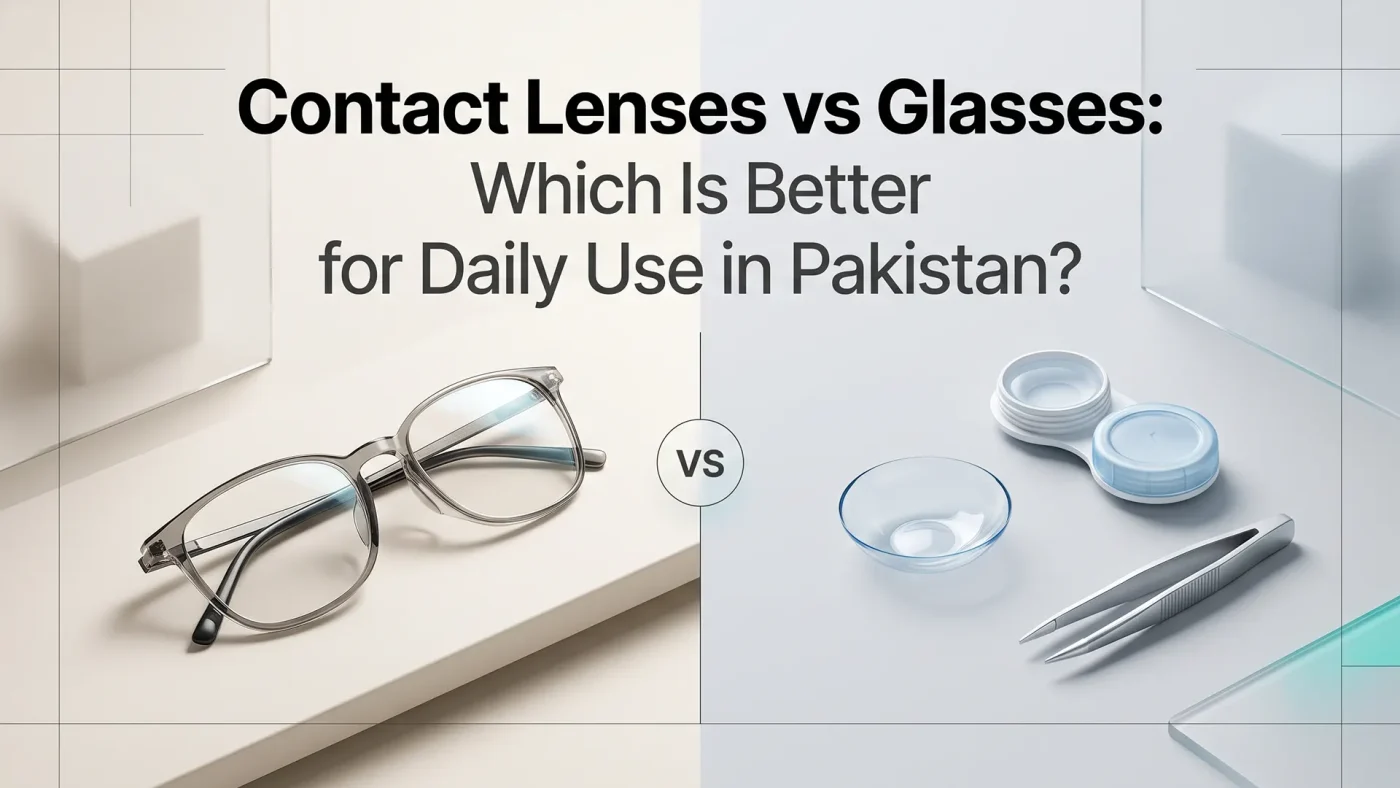
A friend of mine switched to contact lenses last summer and texted me three days later asking how to get one out because it “felt stuck.” That’s the honest version of this decision nobody really talks about. Everyone wants to know whether contact lenses are better than glasses, but the real answer depends on things like whether you actually remember to wash your hands before touching your eyes, and whether Lahore’s dust and heat bother you more than a frame sliding down your nose every five minutes.
So let’s actually walk through it properly, the way you’d explain it to a friend rather than a sales page.
Glasses sit on your face. Contact lenses sit directly on your eye. That sounds obvious, but it explains almost every difference between the two.
Glasses give you a barrier between your eye and everything else — dust, wind, and even germs to some extent. Contact lenses give you nothing in between, which means your full field of vision is open and uninterrupted, no frame edges cutting into your peripheral view. For someone driving through Karachi traffic or playing a sport on the weekend, that open field of vision genuinely matters.
But that same direct contact is exactly why hygiene becomes non-negotiable with lenses. Glasses forgive a bit of laziness. Lenses don’t.
A lot of it comes down to weather, honestly. Anyone who’s worn glasses through a Lahore summer knows the fog-up moment walking out of an AC office into 40-degree heat. Contact lenses skip that entirely.
There’s also the sunglasses factor, which people underestimate until they experience it. With glasses, you either need prescription sunglasses or clip-ons, both of which limit your options. With contact lenses, literally any pair of sunglasses works — no prescription required, no compromise on style. If you’ve ever wanted a specific pair of sunglasses and realized your prescription glasses meant you couldn’t wear them, you already understand why this matters.
For anyone wearing a helmet daily on a bike, or playing sports regularly, lenses remove the constant adjusting and slipping that comes with frames. That’s freedom most people don’t appreciate until they’ve actually tried it.
If you’re considering making the switch, browsing through actual comfort lens options is a good starting point — something built specifically for everyday wear rather than just cosmetic colour change, so the focus stays on how the lens actually feels through a full day rather than just how it looks.
Here’s the thing people forget when they get excited about contact lenses: glasses require almost zero daily effort. You put them on, you see clearly, you take them off at night. No solution, no case, no replacement schedule to track, no risk of a lens folding the wrong way at 7am while you’re rushing to leave the house.
For people with naturally dry eyes — and Pakistan’s dust and pollution levels don’t help here — glasses are usually the more comfortable long-term choice. Several eye specialists actually recommend rotating between the two rather than committing fully to one, giving your eyes a break from direct lens contact a few days a week.
There’s also a style argument that’s grown a lot over the past few years. Frames aren’t the “backup option” they used to be. A well-chosen pair can genuinely shape how someone’s face reads, and a lot of professionals now pick frames deliberately as part of how they want to come across, not because they have no other choice.
This is where I’d push back a little on people who say one option is just flatly “safer.” It’s more nuanced than that.
Contact lenses are safe — genuinely safe — when worn correctly. The issue is that “correctly” involves real discipline: washing hands before insertion, replacing lenses on schedule, never sleeping in daily wear lenses, and not topping up old solution in the case instead of replacing it fully. Skip any of that consistently and problems do show up, usually as irritation or dryness first.
Glasses never touch the eye, so a lot of that risk simply doesn’t exist. If you already deal with sensitive or dry eyes, that alone might tip the decision toward glasses, at least for daily heavy use.
Think about your actual week rather than which option sounds more modern. If you’re at a desk most of the day under fluorescent lighting, glasses are probably the more comfortable choice simply because lenses can dry out faster under constant air conditioning and screen exposure. If your day involves more movement, sport, or situations where frames get in the way, lenses make more sense.
A lot of people end up doing both — lenses for outings, weekends, or anything active, and glasses for regular days at home or work. That’s not indecision, that’s just being practical about which tool fits which moment.
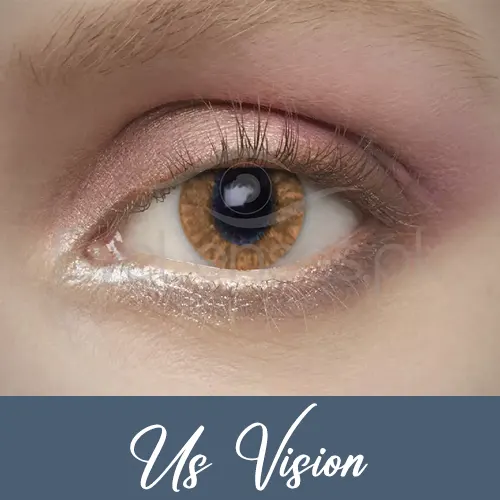
If you want to try a subtle option that enhances rather than dramatically changes your look, a hazel lens shade tends to be the easiest starting point for first-time wearers, since it blends well with most natural eye colours in Pakistan rather than looking like an obvious cosmetic change.
This part actually matters more than people realize. Not every lens brand handles comfort, oxygen permeability, or power range the same way, and the difference shows up in how your eyes feel by hour six or seven of wear. If you’re trying to figure out which eye lens brands in Pakistan are actually worth buying from, it’s worth comparing options that clearly list diameter, modality, and power range upfront rather than just showing a pretty colour swatch and calling it a day. Brands that are transparent about these details tend to be more reliable overall.
Neither option is objectively better — that’s not a cop-out answer, it’s just true. Contact lenses give you freedom and an unobstructed look. Glasses give you simplicity and a layer of protection between your eye and everything else. The right choice depends on your actual daily routine, not a trend or what looks better in photos.
And if you’re still unsure, there’s nothing wrong with owning both and switching based on the day. Plenty of people do exactly that, and it works fine.
For anyone ready to explore options properly — comfort lenses, natural shades, or something bolder — Eyelenses.pk carries a wide enough range across trusted brands that you can actually compare power, diameter, and modality before deciding rather than guessing.






 Blue Lenses
 Brown Lenses
 Golden Lenses
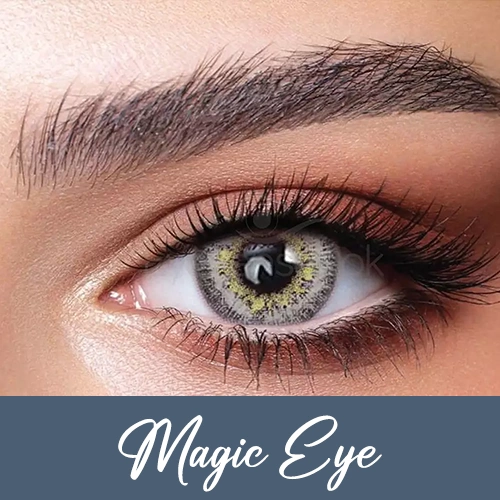
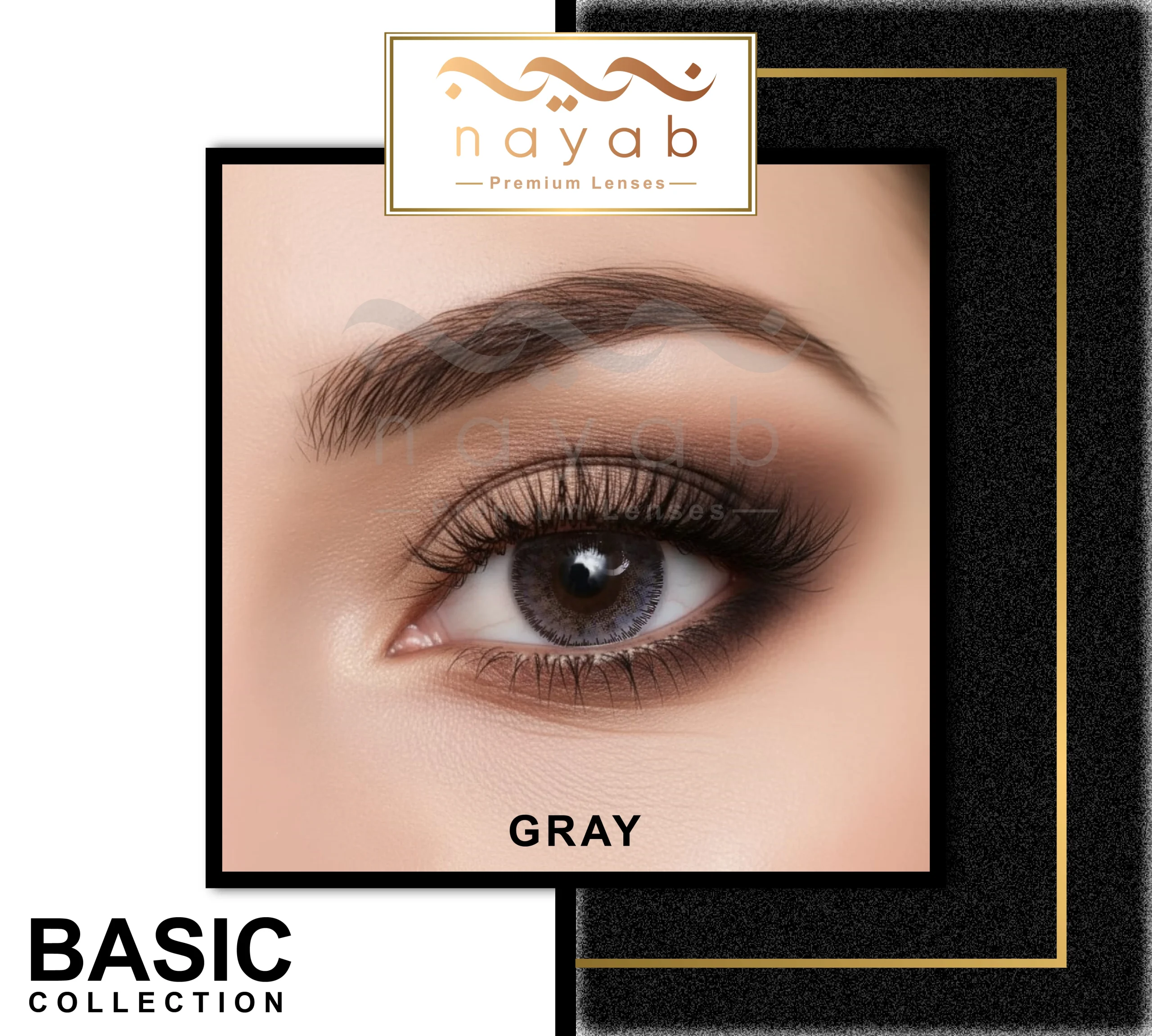
 Gray Lenses
 Green Lenses
 Hazel lenses
 Purple Lenses
 Yellow Lenses


