

 Contact Us
Comfort Lens


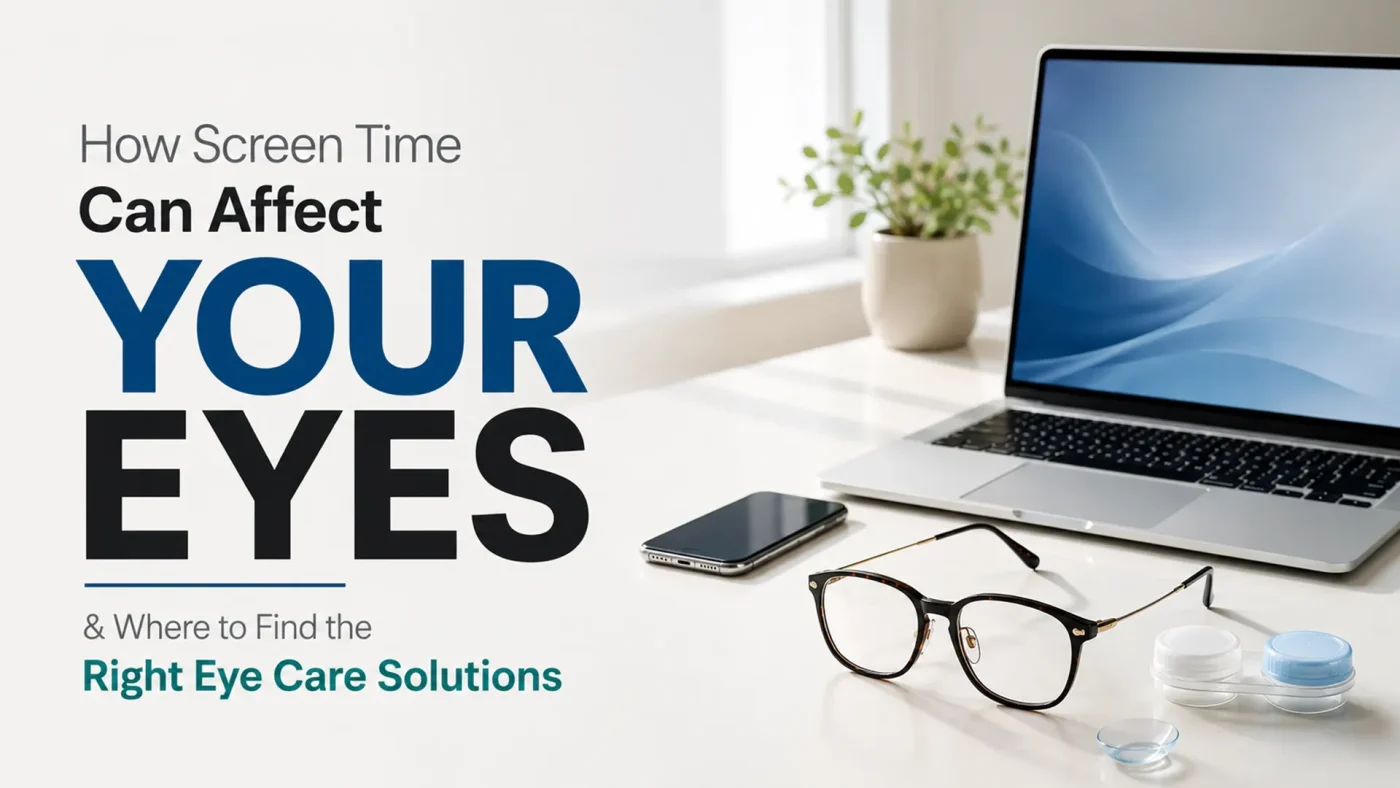
By the time most of us shut our laptops at night, our eyes have already put in a longer shift than we have. Work emails, university assignments, scrolling through Instagram in bed, a couple of episodes before sleep — add it all up, and a lot of people in Pakistan are easily crossing 8 to 9 hours of screen exposure a day without even realizing it.
And then the eyes start complaining. Burning by evening. Blurry for a second when you look up from your phone. That gritty feeling like there’s something in your eye even when there isn’t. If this sounds familiar, you’re not imagining it, and you’re definitely not alone.
There’s a term for this — digital eye strain, sometimes called computer vision syndrome — and it’s not your eyes getting permanently damaged. It’s more than screens change how your eyes behave throughout the day, and that shift causes real, noticeable discomfort.
The biggest culprit is something most people never think about: blinking. Normally, you blink somewhere around 15 to 20 times a minute without even trying. Stick a screen in front of your face, and that number can drop by more than half. Less blinking means less tear film spreading across your eye, which means dryness creeps in faster than you’d expect.
Then there’s the constant near-focus issue. Your eyes are built to shift between distances throughout the day — naturally, without strain. Screens remove that variety entirely. You’re locked at one distance for hours, and the eye’s focusing muscles just get tired, the same way your legs get tired standing in one spot too long.
Glare adds another layer to this. Phone and laptop screens throw light directly into your eyes, and if there’s also overhead lighting or sunlight bouncing off the screen, your eyes are working overtime just to keep things clear. In a country where most of us are on our phones outdoors just as much as indoors, that glare factor is honestly underrated.
If you wear lenses, screen time hits a bit differently. Less blinking already means less moisture on the eye’s surface, and contact lenses need that moisture to stay comfortable through the day. So if you’ve noticed your lenses start feeling dry or slightly gritty after a few hours at your desk, that’s not a coincidence — it’s the screen-blinking connection doing exactly what it does.
This is where having the right comfort drops on hand actually makes a difference, rather than just pushing through the discomfort hoping it goes away on its own.
The 20-20-20 rule is the simplest one. Every 20 minutes, look at something roughly 20 feet away for 20 seconds. It sounds too easy to matter, but it genuinely gives your focusing muscles a real break.
Beyond that, paying attention to screen position helps more than people expect — keeping your monitor about an arm’s length away and slightly below eye level reduces strain on both your eyes and your neck. And lighting matters too. Reduce direct glare where you can, and avoid working with a bright window directly behind your screen.
If long hours in front of screens leave your eyes feeling dry or uncomfortable, using eye comfort drops and maintaining proper contact lens care can help improve day-to-day comfort.
A few things worth keeping in your routine if screen fatigue is a regular issue for you:
Eye Comfort Drops – Crysta are built for exactly this kind of daily dryness, the kind that builds up gradually through a long workday rather than hitting you all at once. Keeping a bottle at your desk means you’re not waiting until your eyes are already irritated to do something about it.
Avizor Alvera 100ml is another solid option for ongoing comfort, especially if you’re someone who’s on screens for most of the day and needs something you can rely on consistently rather than just occasionally.
And if you wear contact lenses, this part really can’t be skipped — proper lens hygiene matters just as much as the drops themselves. Optiano Contact Lens Solution helps keep lenses genuinely clean rather than just rinsed, which directly affects how comfortable they feel by the end of a long screen-heavy day.
If You’re Still Deciding Which Lenses to Wear
For anyone who hasn’t found their ideal daily lens yet, something like Biomedics Daily Disposable is worth considering specifically because it’s a fresh lens every single day — no buildup, no old solution sitting in a case, which matters more than people think when you’re already dealing with screen-related dryness on top of everything else.
And if you’re someone who enjoys switching up your look every now and then without compromising comfort, browsing through Magic Eye Lenses is worth doing-some collections are genuinely built with comfort as the priority rather than just colour, which matters a lot if you’re already screen-fatigued by the time you’re putting lenses in each morning.
If you’ve already tried the basics, such as taking regular breaks, using eye drops, and improving your screen setup, but your eyes still feel uncomfortable, it may be time for a professional eye exam. Sometimes, what seems like digital eye strain is actually an underlying issue, such as dry eye disease or an outdated prescription, making your symptoms worse than they need to be.
For most people, however, screen-related discomfort comes down to a few common habits. We blink less when using digital devices, spend hours focusing at the same distance, and often fail to keep our eyes properly hydrated throughout the day.
The good news is that small changes can make a noticeable difference. By blinking more often, taking regular visual breaks, maintaining a comfortable viewing distance, and supporting eye moisture, you can reduce irritation and keep your eyes feeling more comfortable during long hours of screen use.








 Blue Lenses
 Brown Lenses
 Golden Lenses
 Gray Lenses
 Green Lenses
 Hazel lenses
 Purple Lenses
 Yellow Lenses


